As an Amazon Associate, I earn from qualifying purchases. This post may also contain other affiliate links, and if you purchase through them, we may earn a small commission at no extra cost to you.
Winter mornings have a way of making everything feel heavier — getting out of bed, staying alert through a 9 a.m. meeting, even just wanting to do something other than stare at a wall with your coffee. If that sluggish, low-energy feeling shows up every time the days get shorter, a light therapy lamp might be one of the simplest fixes worth trying before reaching for anything more complicated.
The catch is that not all light therapy lamps are built the same, and the “best” one has very little to do with how bright it looks on a spec sheet. What actually matters is whether it fits into a routine you’ll stick with — sitting near it while eating breakfast, working at a desk, or reading in the morning without needing to rearrange your entire space around a device.
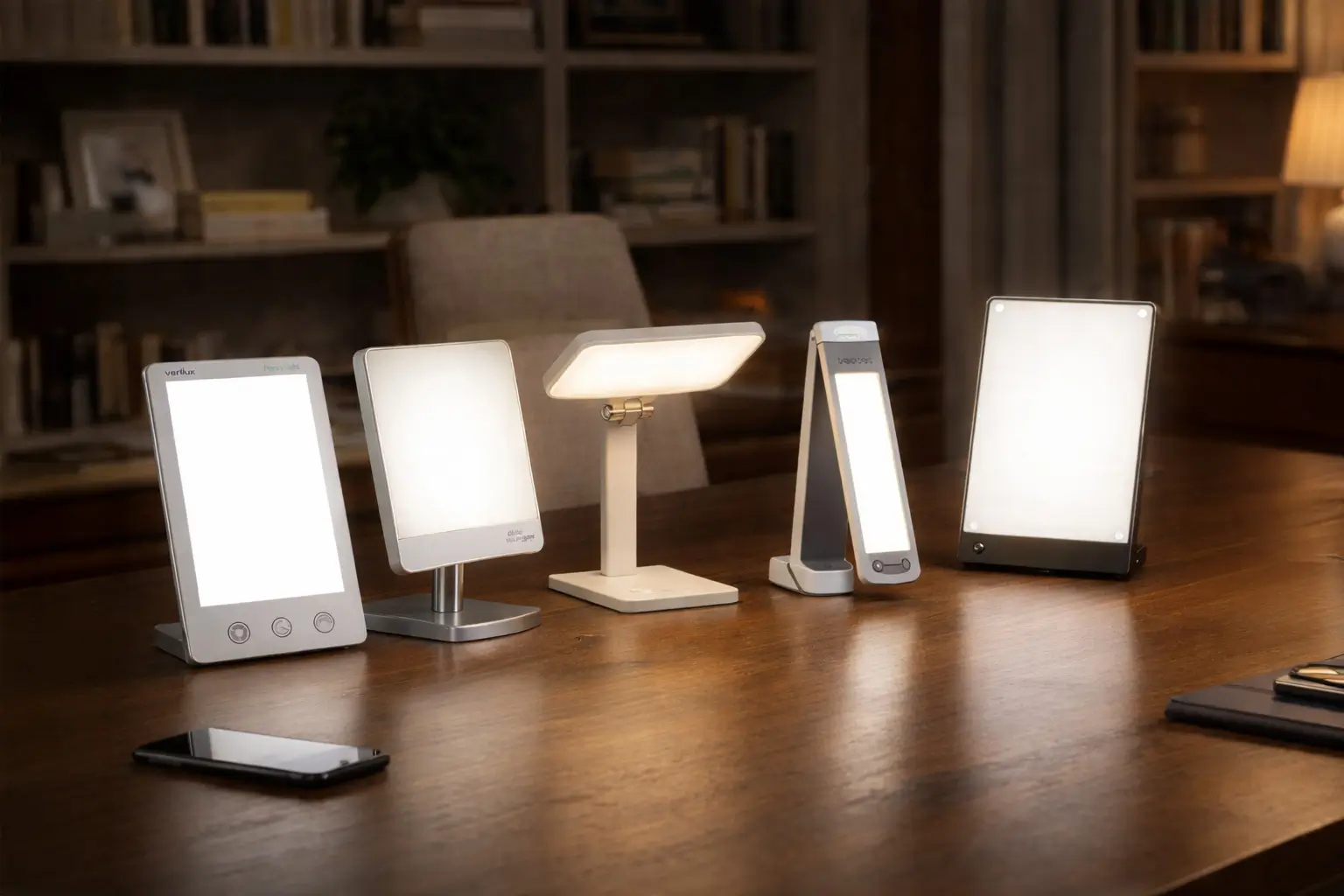
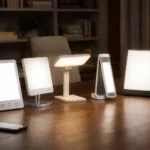
This roundup breaks down five well-known light therapy lamps people frequently compare, each with a distinct personality: a couple are built for compact, modern setups, one leans hard into serious therapy-grade coverage, and a few land somewhere in between — practical, comfortable, and easy to use daily without overthinking it.
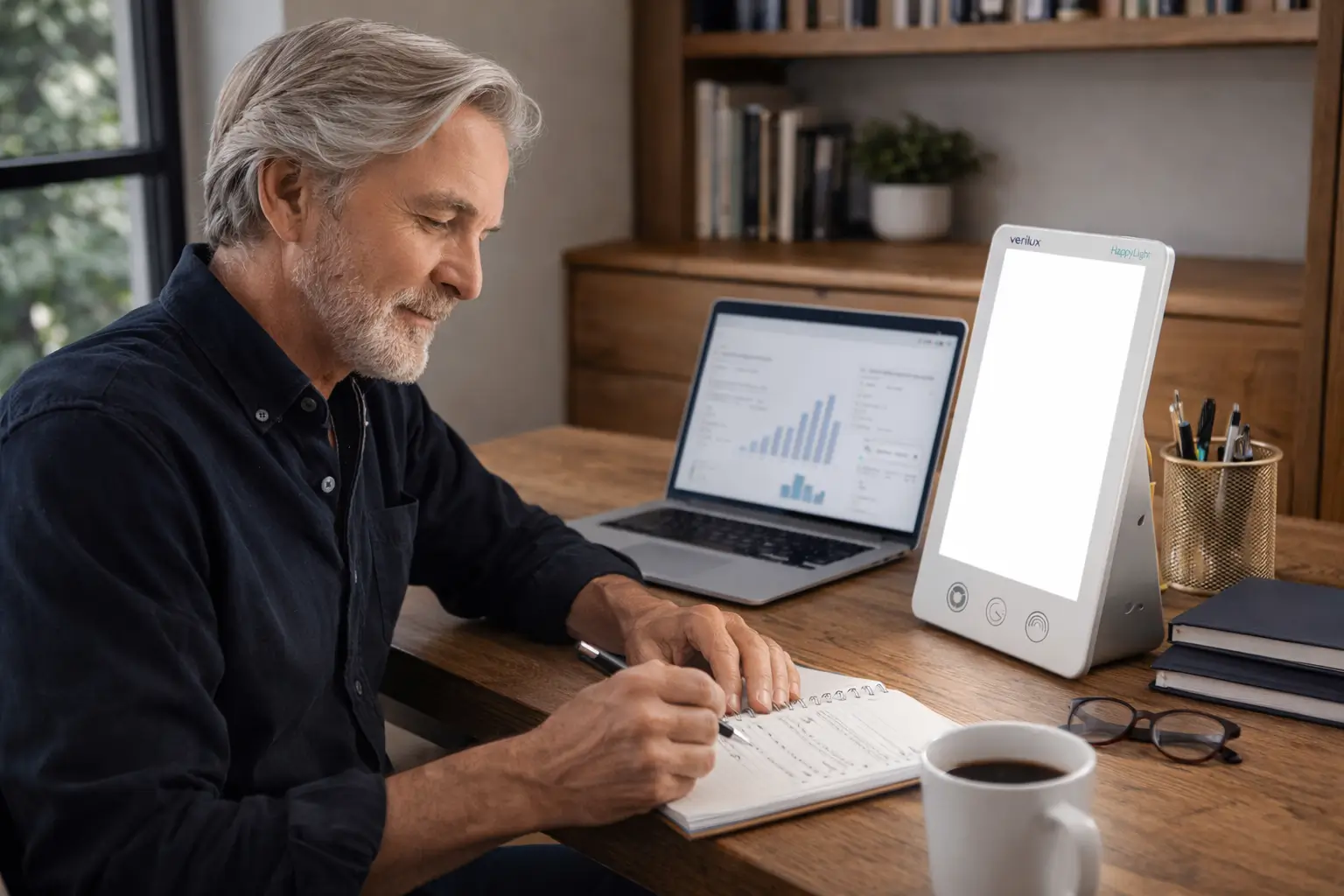
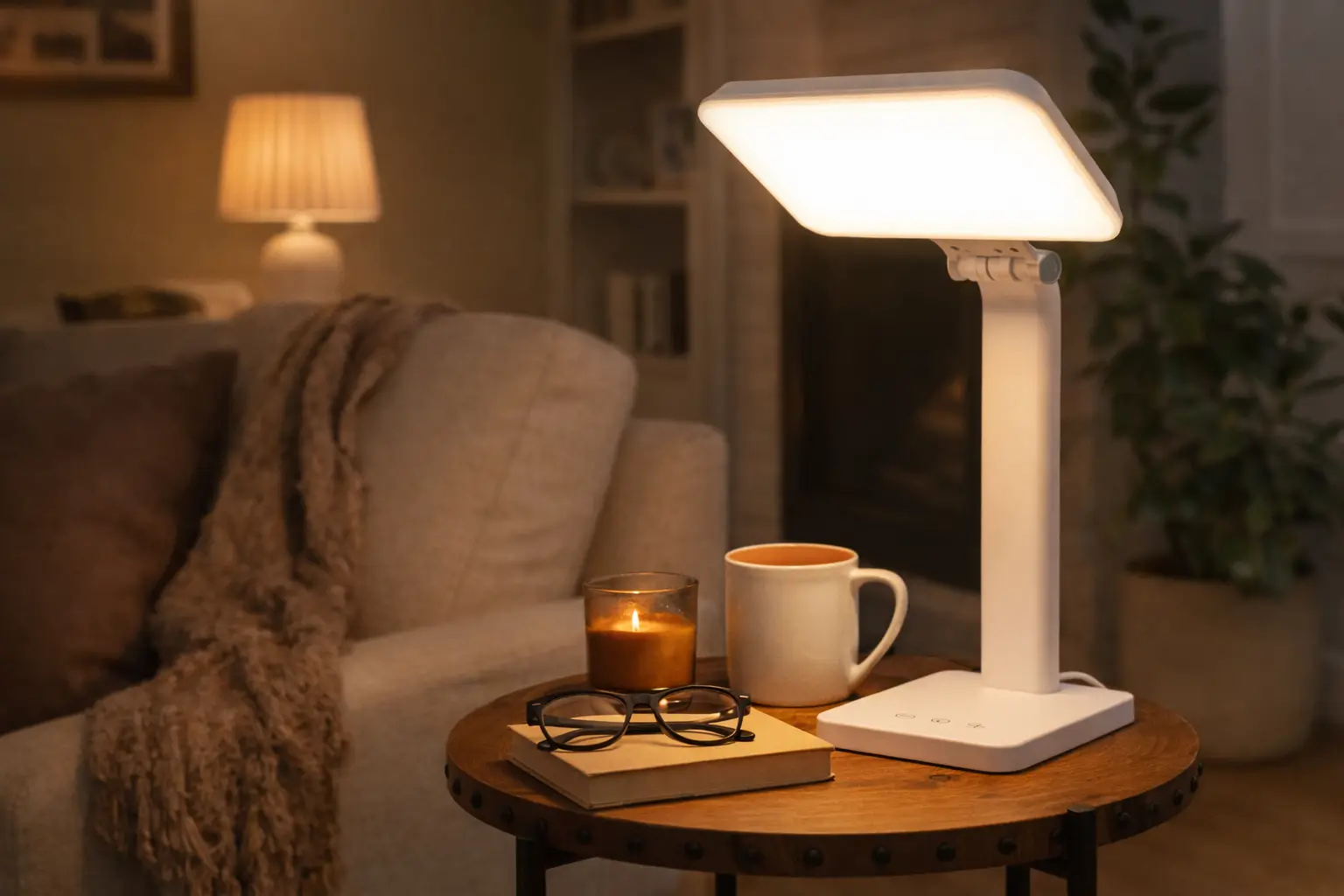
Adjustability is the whole pitch with the Verilux HappyLight Luxe. Rather than locking users into one brightness setting or a single light tone, it opens things up — warmer or cooler light, a dimmer you actually control, and a timer that bends around your schedule instead of the other way around. That kind of flexibility matters more than people expect once a lamp becomes a daily habit rather than a one-time purchase.
It also doesn’t look or feel like medical equipment, which counts for a lot. A lamp that blends into a desk or side table without dominating the room is far more likely to actually get used every morning. Anyone who wants a setup they can fine-tune to their own preferences — rather than accepting a fixed, one-size-fits-all experience — will likely find this one easy to live with.
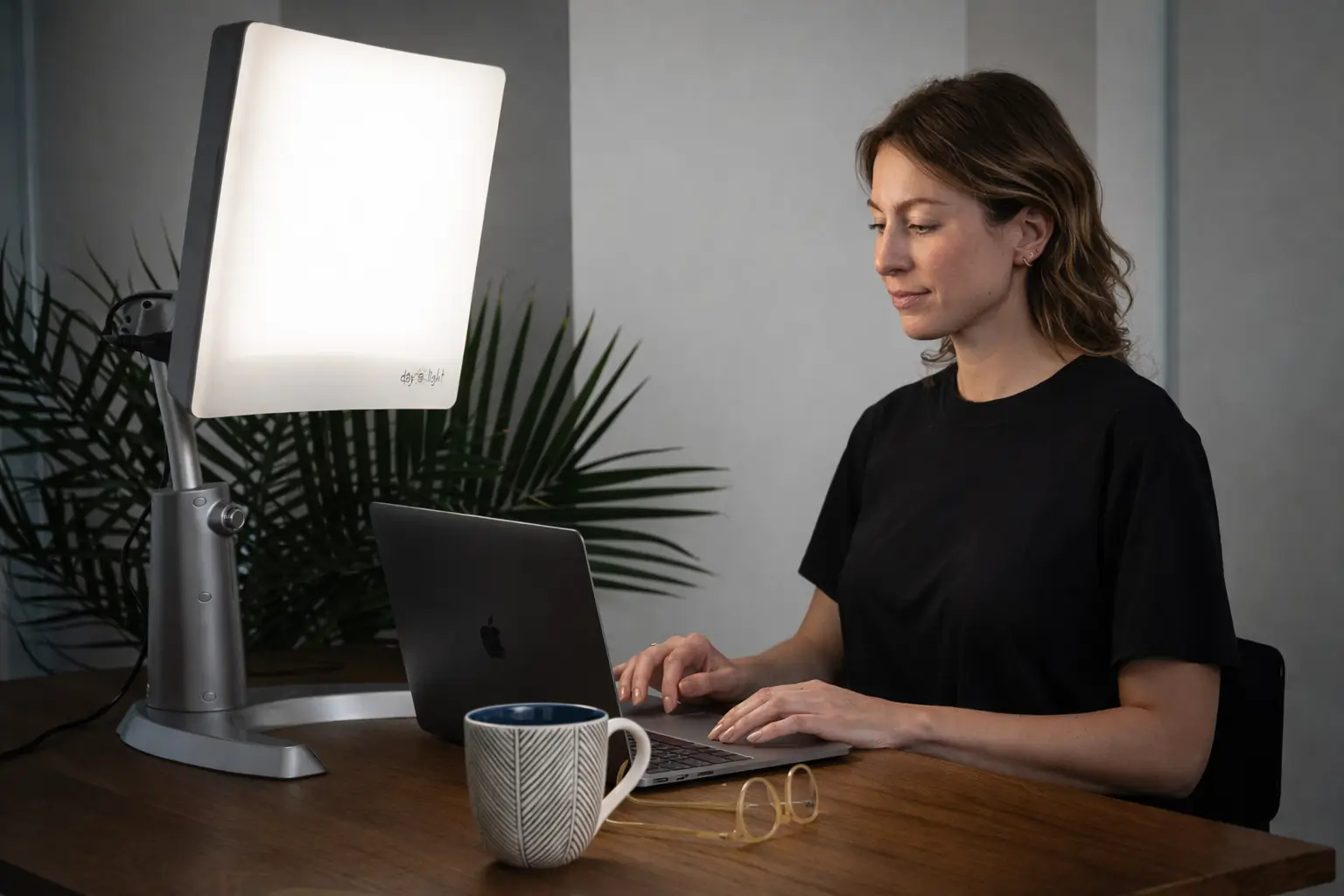
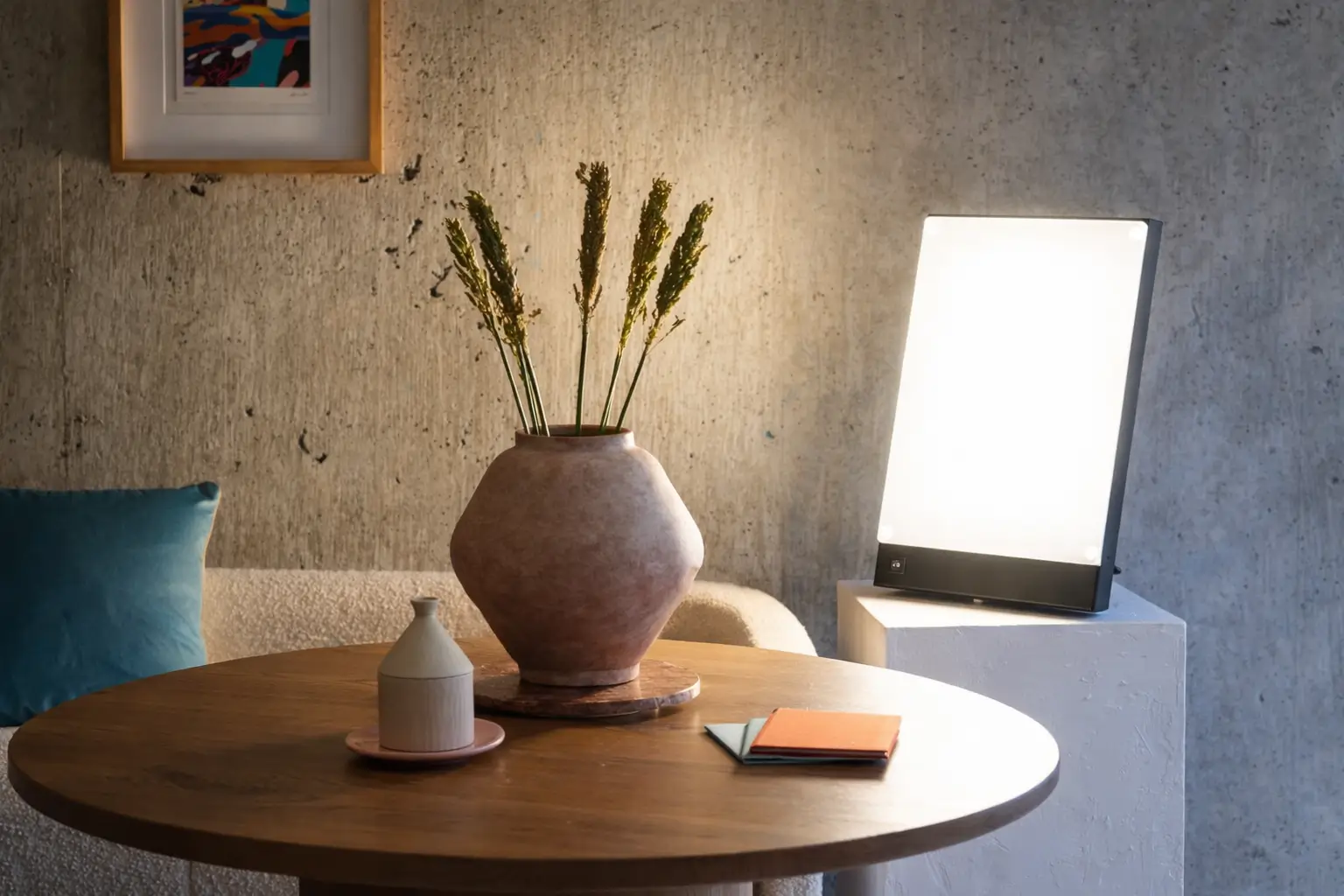
Size is the tradeoff here, and it’s a deliberate one. The Carex Day-Light Classic Plus takes up more real estate than a compact desk lamp, but that larger surface area translates directly into a wider light field — useful for anyone who wants to read, work, or eat breakfast without constantly repositioning themselves to stay in range.
Shoppers drawn to this model tend to care less about how a lamp looks and more about what it does. It’s a fairly traditional light box format, and it doesn’t try to disguise that. For buyers who see visual subtlety as a lower priority than raw coverage and a more clinically proven design, that tradeoff is usually an easy one to accept.
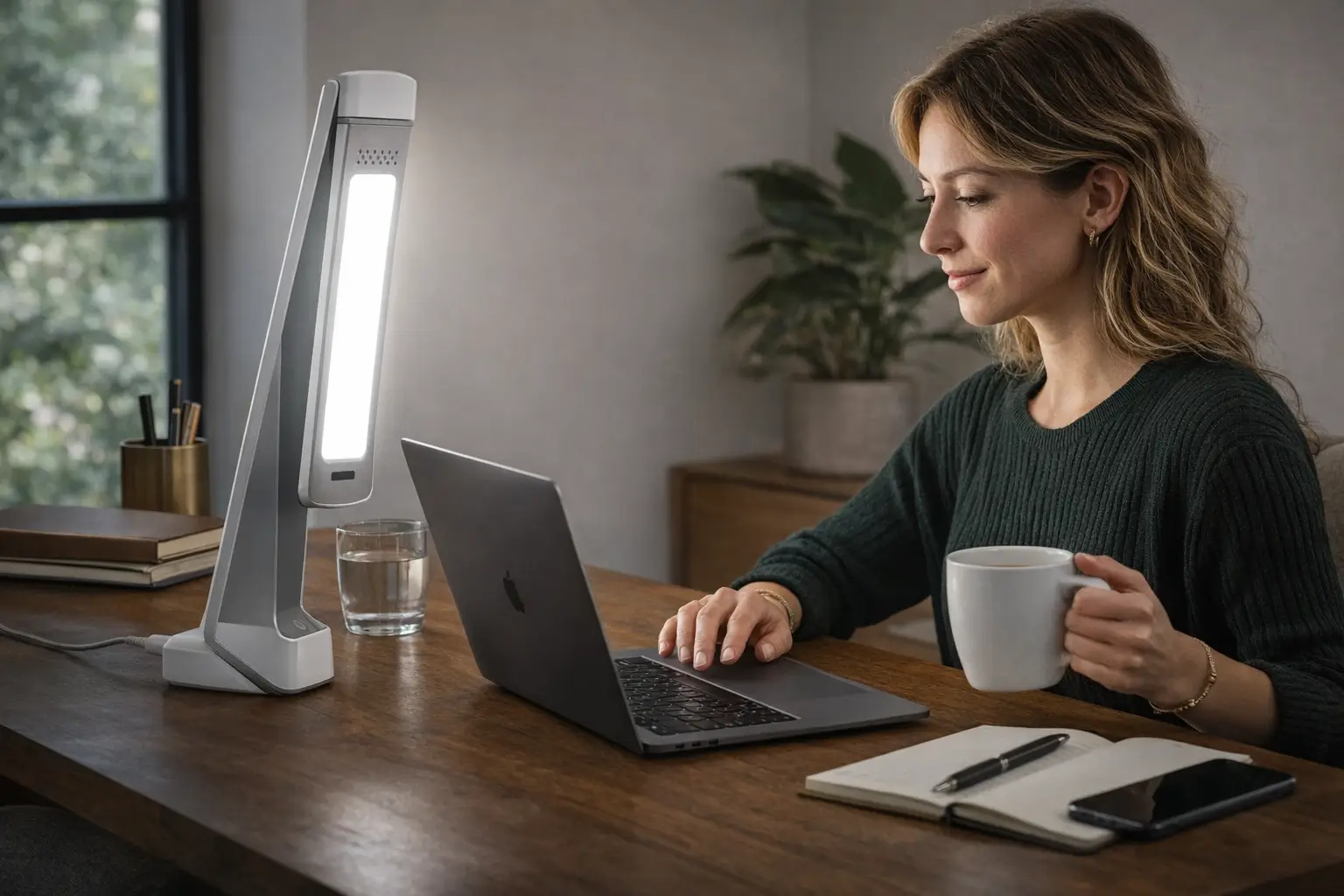
Picture a small apartment desk, or a home office that doubles as a dining table by 6 p.m. — that’s the environment the Circadian Optics Lumos 2.0 was clearly designed for. It skips the bulk of a full therapy box entirely, favoring a compact, almost ordinary desk-lamp look that doesn’t announce itself as a wellness device.
That smaller footprint comes with real practical upside: it’s easy to move between rooms, easy to tuck away, and far less likely to feel like clutter in a tight space. For anyone whose living situation doesn’t accommodate a bulkier light box — or who simply prefers a lamp that doesn’t look out of place next to a laptop — the Lumos 2.0 solves a problem the bigger models don’t even try to address.
Where the Lumos 2.0 goes small, the BOXelite goes in the opposite direction entirely. There’s no attempt at minimalism here — this is a lamp built around one priority, and that’s therapeutic output. It has the kind of substantial, dedicated presence that shoppers researching bright light therapy tend to associate with results, not just aesthetics.
That size comes with a real tradeoff: it’s not going to blend quietly into a minimalist desk setup, and it asks for more physical space than most of the other lamps on this list. But for buyers who’ve already decided that performance outweighs style, the BOXelite delivers exactly what that priority calls for — a lamp that functions like the anchor of a morning routine rather than an accessory to it.
Not every buyer wants a lamp with settings to configure or a design to admire — some just want it to work. The TheraLite Aura Bright is built for that mindset. Turn it on, position it, and let it become part of the morning without needing to think about it much beyond that.
That straightforwardness works particularly well for home office setups where the goal is function, not flair. It has enough presence to feel like a legitimate wellness tool, but none of the complexity that turns some buyers off larger, feature-heavy models. For anyone who wants light therapy without a learning curve, this is one of the easiest lamps on the list to adopt and stick with.
Final Thoughts: Which Light Therapy Lamp Fits Your Routine?
Five lamps, five different priorities. The right pick really comes down to how you live and work, not which one has the most impressive spec sheet.
- Verilux HappyLight Luxe — best if you want control over brightness, tone, and timing.
- Carex Day-Light Classic Plus — best if coverage and a traditional therapy-box feel matter more than looks.
- Circadian Optics Lumos 2.0 — best for small spaces and a low-profile design.
- Northern Light Technologies BOXelite — best for buyers who want maximum therapeutic output, space be damned.
- TheraLite Aura Bright — best for anyone who just wants something simple that works.
The lamp that actually improves your mornings won’t necessarily be the one with the most features — it’ll be the one that’s still sitting on your desk, switched on, three months from now. Consistency beats specs every time when it comes to light therapy.










0 Comments